


• 香蕉视频下载链接,香蕉视频在线看,性爱APP香蕉视频,香蕉视频黄色电影

    LANGUAGE:CN/EN

    CONTACT:MR ZHANG

    186 2630 8316

    E-MAIL:

    zhang2008haitao@outlook.com

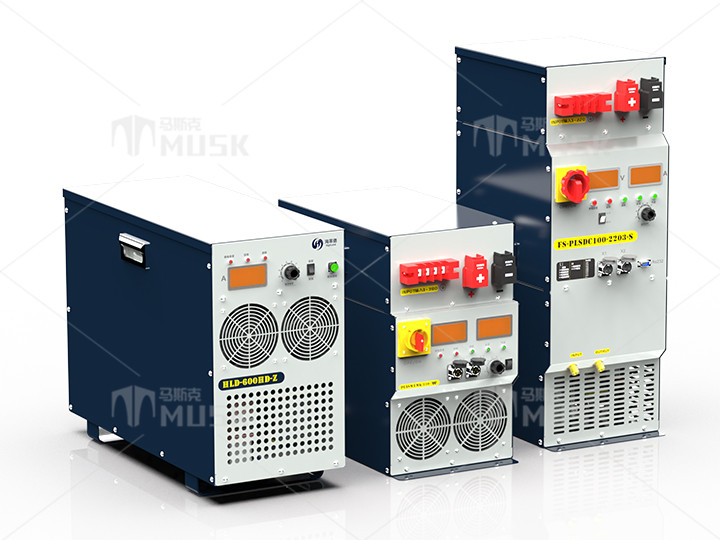
    Plasma scrubber washing dedicated power supply


    Product usage
    ● A plasma scrubber is a device that uses low-temperature plasma technology to treat industrial waste gas. This technology generates high-energy electrons, ions, free radicals and other active particles through high-voltage discharge, and decomposes harmful pollutants in exhaust gas into harmless or low-risk substances under normal temperature and pressure conditions, achieving purification.
    ● Compared with traditional exhaust gas treatment technologies such as thermal combustion, catalytic oxidation, and activated carbon adsorption, plasma scrubbers have the advantages of low energy consumption, high efficiency, wide applicability, and no secondary pollution. They have become an important technological choice in the field of VOCs (volatile organic compounds) treatment.

    Features
    ● High processing efficiency, VOCs removal rate can reach over 90%
    ● Low energy consumption, with operating costs only 1/5-1/10 of thermal combustion
    ● Operating at room temperature, no preheating required, fast startup
    ● Compact equipment with small footprint
    ● No secondary pollution, the main products are CO ₂ and H ₂ O


    Working principle
    Plasma generation mechanism
    The core of a plasma scrubber is to generate low-temperature plasma through dielectric barrier discharge (DBD) or corona discharge technology. When a sufficiently high AC voltage (usually 5-30kV, frequency 50Hz-100kHz) is applied, the gas in the electrode gap is broken down, forming a large number of micro discharge channels.
    During the discharge process, electrons obtain energy from the electric field (with an average energy of 1-10 eV), and these high-energy electrons collide with gas molecules, triggering the following main reactions:
    • Electron collision excitation: e+M → M *+e
    • Electron collision ionization: e+M → M ⁺+2e
    • Electron dissociation: e+AB → A+B+e
    • Attachment reaction: e+AB → AB ⁻
    Degradation process of pollutants
    Organic pollutants in exhaust gases undergo complex physicochemical processes and are degraded in plasma environments. The main degradation pathways include:
    1. Direct electron collision: High energy electrons collide directly with pollutant molecules, causing them to excite, ionize, or dissociate.
    2. Free radical reaction: Active free radicals such as · OH, · O, · N generated by discharge react with pollutants.
    3. Ozone oxidation: The O3 generated by discharge undergoes an oxidation reaction with pollutants.
    4. UV photolysis: The UV radiation generated during the discharge process causes pollutants to undergo photolysis.

    Technical features
    Compared to traditional exhaust gas treatment technologies, plasma scrubbers have the following characteristics:
    Comparison items Plasma Thermal combustion Activated carbon adsorption
    Processing temperature Room temperature 700-800℃ Room temperature
    Energy consumption Low Tall Middle
    Remove efficiency 85-99% 95-99% 60-90%
    Secondary pollution Nothing NOx Waste activated carbon
    Floor area Small Big Middle
    Comparison between plasma scrubbers and traditional technologies
    Core technological advantages:
    1. Broad spectrum: It can simultaneously handle multiple types of VOCs, including alkanes, alkenes, aromatic hydrocarbons, oxygen-containing organic compounds, etc.
    2. Adaptability: Strong adaptability to fluctuations in exhaust gas concentration, capable of treating low concentration (<100ppm) exhaust gas.
    3. Safety: Operated at room temperature, with no risk of fire or explosion.
    4. Modularization: It can be flexibly combined according to processing capacity, making it easy to expand.

    Technical indicators
    Performance parameters
    Parameter name Numerical range Remark
    Handling air volume 1000-50000 m³/h Customizable
    VOCs removal rate ≥90% Depending on the composition
    Odor removal rate ≥95% NH₃、H₂S, etc
    Input voltage AC 380V ± 10% Three-phase five-wire
    Discharge voltage 5-30 kV Adjustable
    Discharge frequency 50 Hz - 100 kHz Adjustable
    Power density 5-50 W/L Depending on concentration
    Equipment resistance <500 Pa Low resistance
    Structural parameters
    Parameter name Specifications Material
    Reactor shell Carbon steel/stainless steel Q235/SUS304
    Discharge electrode Stainless steel needle/wire SUS316
    Grounding electrode Stainless steel plate SUS304
    Dielectric layer Ceramic/Quartz Al₂O₃/SiO₂
    Insulating material Polytetrafluoroethylene PTFE
    High voltage power supply High frequency inverter IGBT module
    Control system PLC automatic control Siemens/Mitsubishi

    Application field
    Plasma scrubbers are used for exhaust gas treatment in the following industries:
    Printing and packaging industry
    The main components of ink waste gas generated during printing, lamination, and coating processes are toluene, xylene, ethyl acetate, etc.
    Painting and spraying industry
    Dealing with paint mist and organic solvent waste gas generated during the painting and baking process, including alcohols, ketones, esters, etc.
    Chemical and pharmaceutical industry
    The process exhaust gases emitted from reaction vessels, distillation towers, drying equipment, etc. are complex and diverse in composition.
    Electronic semiconductor industry
    Process special gases and organic waste gases generated by photolithography, etching, cleaning, and other processes.
    Food processing industry
    Dealing with oil fumes and odors generated during processes such as frying, baking, and fermentation.

    Equipment selection
    According to the processing air volume and pollutant concentration, plasma scrubbers are divided into the following standard models:
    Model Handling air volume Installed capacity Dimensions (mm)
    PS-1000 1000 m³/h 3 kW 1200×800×1500
    PS-3000 3000 m³/h 8 kW 1800×1000×1800
    PS-5000 5000 m³/h 12 kW 2200×1200×2000
    PS-10000 10000 m³/h 22 kW 2800×1500×2200
    PS-20000 20000 m³/h 40 kW 3600×2000×2500
    PS-50000 50000 m³/h 90 kW 5000×2800×3000
    Selection precautions:
    • The particulate matter content in the exhaust gas should be less than 5mg/m ³, and if it is too high, pre-treatment is required
    • The relative humidity should be less than 80%. If it is too high, dehumidification treatment is required
    • The exhaust gas temperature should be less than 60 ℃. If it is too high, it needs to be cooled down
    • Halogen containing exhaust gas requires special design to prevent corrosion
    • Explosion proof measures must be taken for flammable and explosive exhaust gases

    NEXT:Plasma torch
    Products Professional power product manufacturer
    CONTACT US

    Contact: Mr. Zhang 186 2630 8316

    phones: 0510-83489568

    Fax: 0510-83489568

    Web: www.guoyuncn.com

    E-mail: zhang2008haitao@outlook.com

    Add:No. 380 Jincheng East Road, Xinwu District,
    Wuxi City, Jiangsu Province


    Add WeChat


    Follow WeChat

    Copy right © 2021 Wuxi Musk Welding and Cutting Equipment Co., Ltd. All rights reserved      
    网站地图